2021-12-17 09:34:40|已浏览:229次
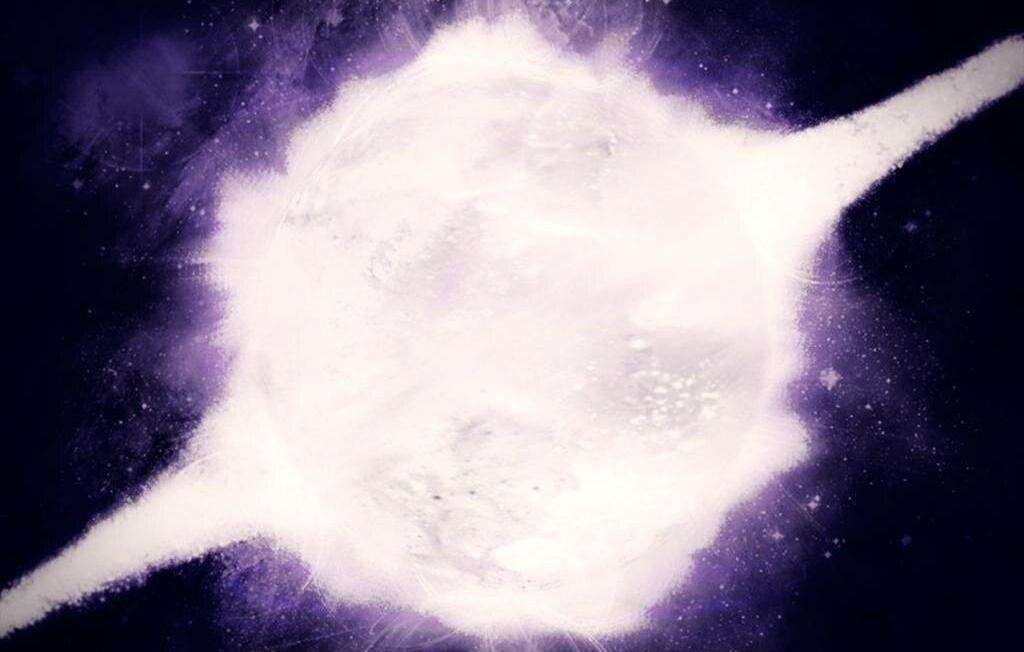
This line of reasoning underlies an exciting new theory of spiral-galaxy structure. A computer simulation based on this theory has reproduced the appearance of many spiral galaxies without assuming an underlying density wave, the hallmark of the most widely accepted theory of the large-scale structure of spiral galaxies. That theory maintains that a density wave of spiral form sweeps through the central plane of a galaxy, compressing clouds of gas and dust, which collapse into stars that form a spiral pattern.
(A) describe what results when a supernova triggers the creation of chains of star-forming regions2. The passage implies that, according to the new theory of spiral-galaxy structure, a spiral galaxy can be created by supernovas when the supernovas are(B) propose a modification in the most widely accepted theory of spiral-galaxy structure
(C) compare and contrast the roles of clouds of gas and dust in two theories of spiral-galaxy structure
(D) describe a new theory of spiral-galaxy structure and contrast it with the most widely accepted theory
(E) describe a new theory of spiral-galaxy structure and discuss a reason why it is inferior to the most widely accepted theory
(A) producing an underlying density wave3. Which of the following, if true, would most discredit the new theory as described in the passage?
(B) affected by a density wave of spiral form
(C) distributed in a spiral pattern
(D) located in the central plane of a galaxy
(E) located in a differentially rotating galaxy
(A)The exact mechanism by which a star becomes a supernova is not yet completely known and may even differ for different stars.
(B) Chains of star-forming regions like those postulated in the new theory have been observed in the vicinity of dense clouds of gas and dust.
(C) The most massive stars formed from supernova explosions are unlikely to evolve into supernovas.
(D) Computer simulations of supernovas provide a poor picture of what occurs just before a supernova explosion.
(E) A density wave cannot compress clouds of gas and dust to a density high enough to create a star.
答案:DEC
本文由培训无忧网新东方教育专属课程顾问老师整理发布,更多GRE考试培训相关课程请关注培训无忧网GRE培训或添加老师微信:15033336050
注:尊重原创文章,转载请注明出处和链接 https://www.pxwy.cn/news-id-8172.html 违者必究!部分文章来源于网络由培训无忧网编辑部人员整理发布,内容真实性请自行核实或联系我们,了解更多相关资讯请关注GRE考试频道查看更多,了解相关专业课程信息您可在线咨询也可免费申请试课。关注官方微信了解更多:150 3333 6050